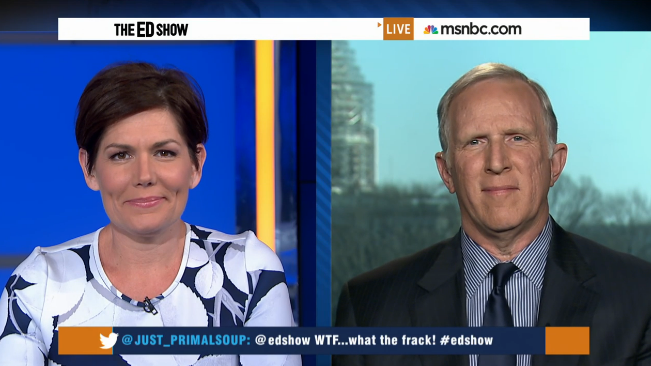
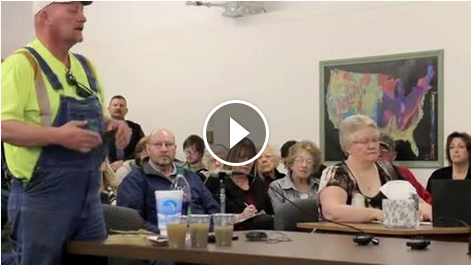
Editors Note: Julia Trigg Crawford is a landowner in Texas that many of us Pipeline Fighters know and respect. Her land, passed thru generations, is being torn up by TransCanada--a foreign corporation who thinks its perfectly acceptable to use eminent domain on American landowners for private gain. The men and women who founded our country never intended for land that is worked every day to feed fellow Americans to be risked by a foreign corporation. Bold Nebraska stands with Julia Trigg as she stands tall against the risky and unwanted TransCanada Keystone XL pipeline. We will post updates from Julia Trigg as she posts them on Facebook. Her court case over eminent domain is ongoing. TransCanada in Texas right now is pulling up to 70 pieces of faulty/dented pipe. American landowners' rights should always trump foreign tarsands. -jane kleeb
From Julia Trigg Crawford, you can support her lawsuit against TransCanada at her Stand Tall site (designed by the talented Justin Kemerling):
Most mornings here on the farm begin the same. The sunlight sneaks through my northern-facing window as the dogs begins to stir, signaling the start of the day. As I look out toward the fields, I view a vast sea of crops, a rich contrast of textures and colors. The bearded wheat is turning gold now, just a few days away from harvest. Nearby, lush young corn waves its vibrant green leaves in the wind. Last week we planted soybeans on the dryland corners, and soon a lighter shade of green will join the palette. Up on the hill the old windmill churns as it always has with its groans and squeaks. Just a bunch of rusted metal, but to me it is alive and the gears spin a tune that soothes my soul. These familiar sights and sounds of the farm have become a comfort to me. But my world has changed and a chill of uncertainty looms heavy in the air. Things are very different now as I look to the south across the pasture, and what I witness is crushing.
Despite my best efforts, TransCanada's heavy machinery has rolled in, bringing the rumble of a foreign industry to invade my family's farm. The beeping and clanking of metal has begun, gut-wrenching noises that will continue throughout the day. Gaping holes have been dug, leaving mountains of red earth to make way for the monster 36-inch diameter blue-green pipe that will become the Keystone XL. I've watched this happen to others along the line, and sadly now it's my turn. With the ripping and tearing of the land my heart feels the same pain, and I search for the answer to the question many of us ask: “What can I do to make this all stop?”
Three years ago when I moved here to take over as the farm manager, I wasn't looking for a fight. I came to the family farm for the quiet life. I knew nothing about tar sands, eminent domain, or TransCanada. But then the Keystone XL pipeline literally landed in my backyard. Once I learned the facts about what this pipeline really meant for our land, I knew the risks far outweighed the rewards. In the event of a spill, no amount of money could compensate for the loss of the water and land that sustain us. But TransCanada told us we had no choice and condemned our land, so we decided to fight. Little did we know in the tiny community of Direct (with a population of about 70), the stand I decided to take for my family would eventually play out on a national stage.
Together look at what we've been able to do-
In this oil-rich state, Texans for the first time have had the courage to stand up against not only this pipeline, but also Big Oil and the deep pocketed groups that represent it. Brave folks like Eleanor Fairchild and David Daniel have stood their ground. Thanks to the support of thousands from around the world, we have been able to continue to wage a legal battle against TransCanada. We have exposed the process in Texas that allows a private corporation to steal your land so easily, while our elected officials turn a blind eye. Collectively, we have all held steadfast to our principles. In spite of TransCanada's empty promises of jobs and energy independence, we have created a different dialogue around clean air, water and land, the real building blocks to a sustainable economy.